Stan Roukens
Exhibition Humanoids
13-06-2026 -31-08-2026
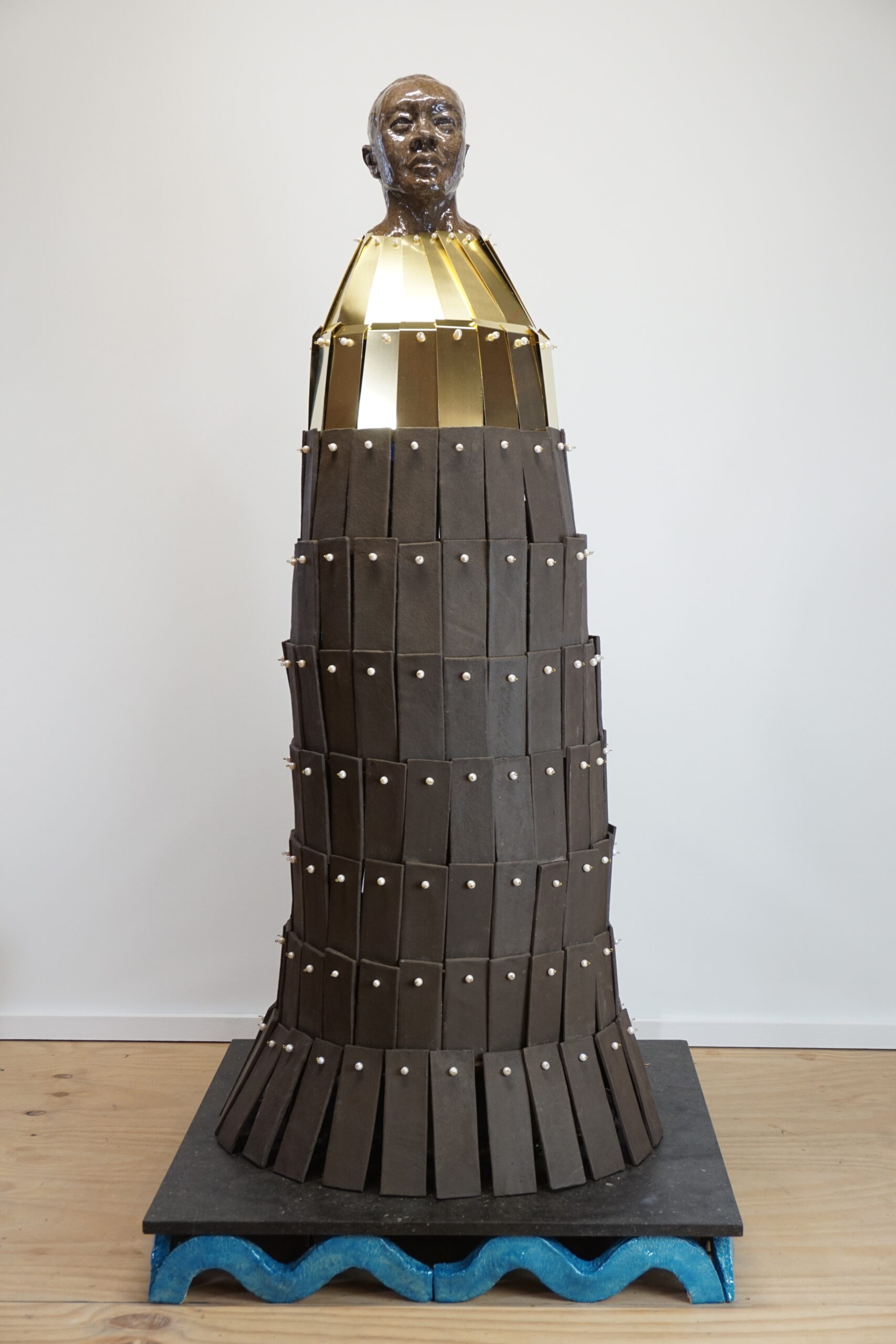
Parelman, 80x80x170cm.
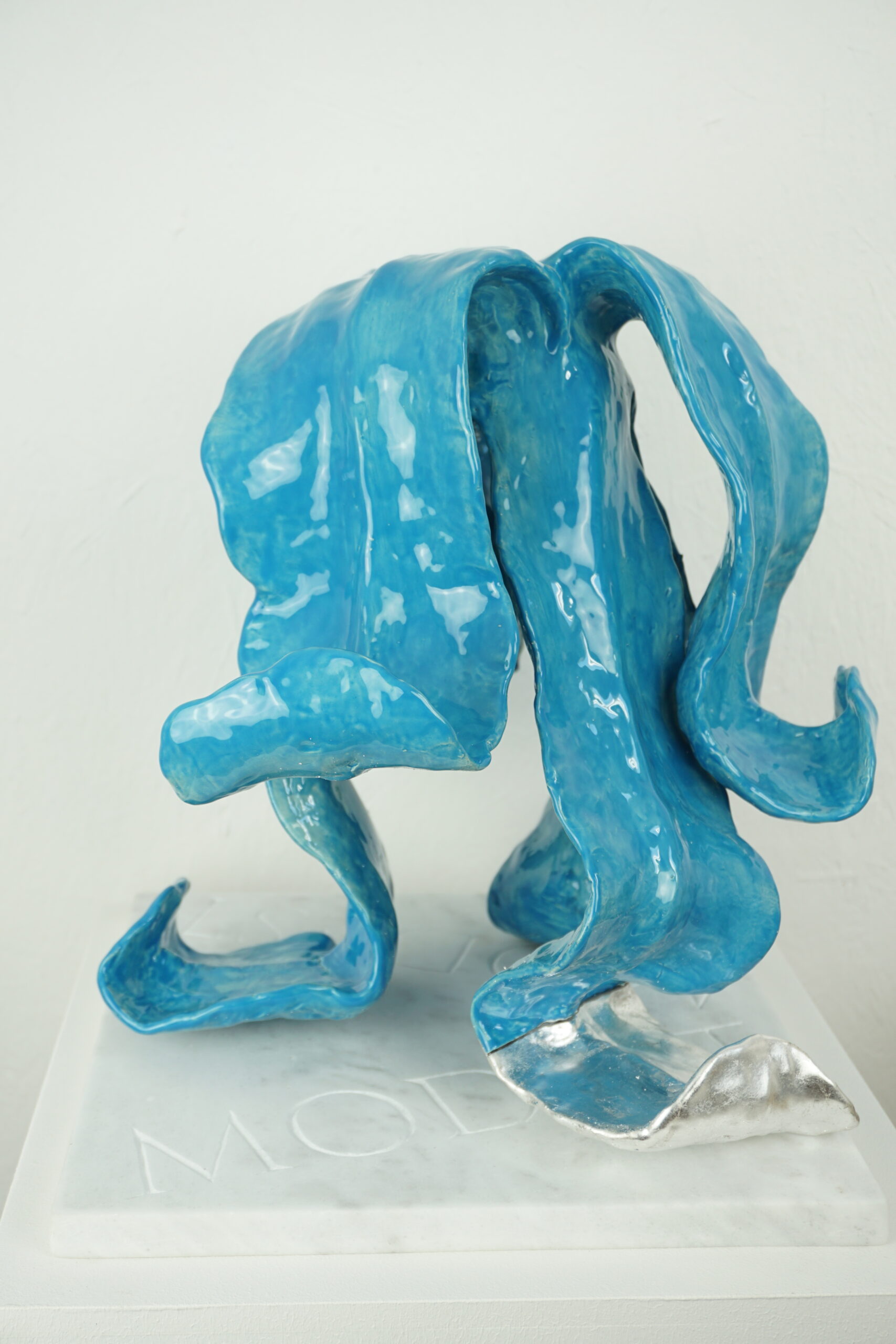
Modest, 2026, 40x40x40.
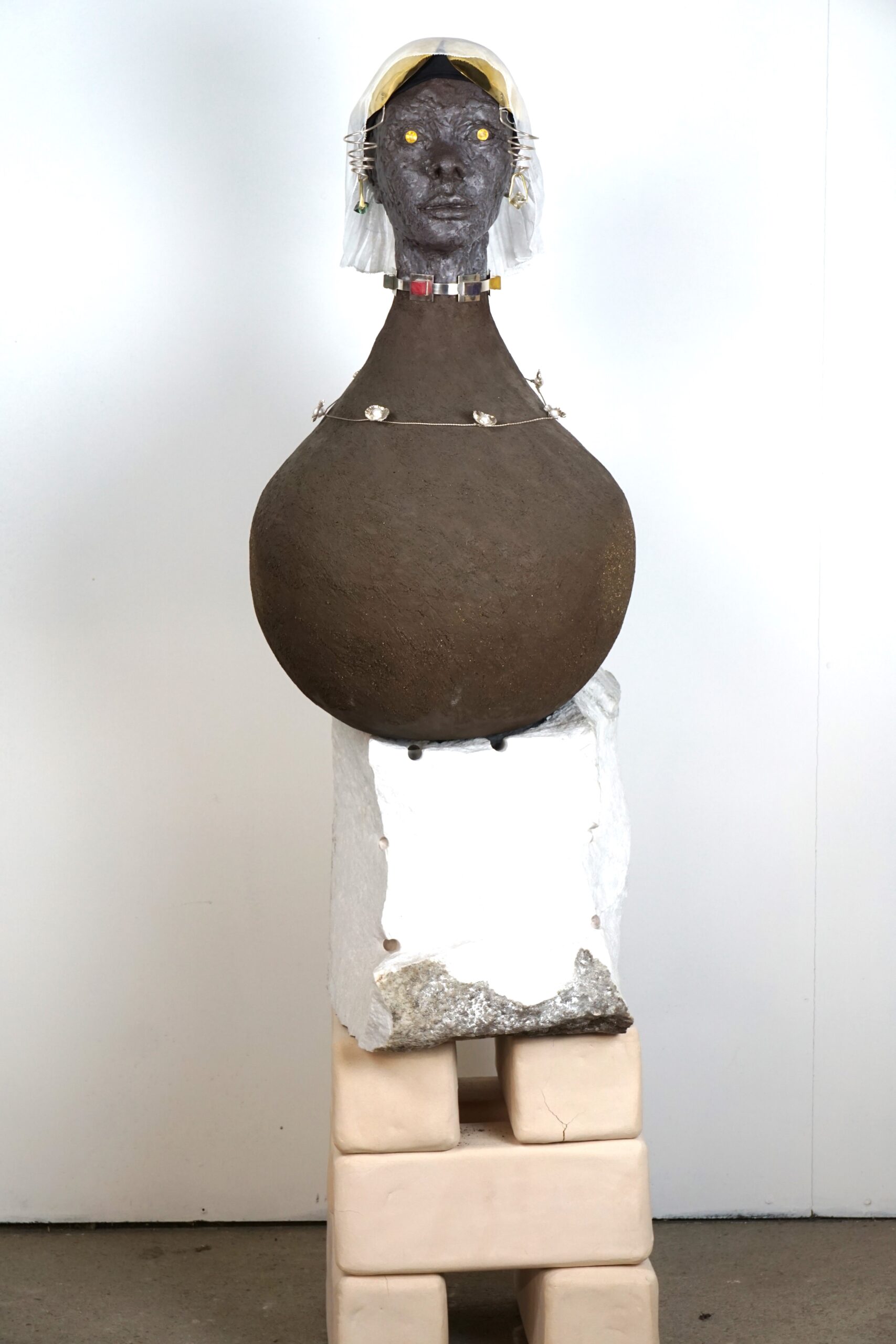
Pandora, 2025, 40x40x150.
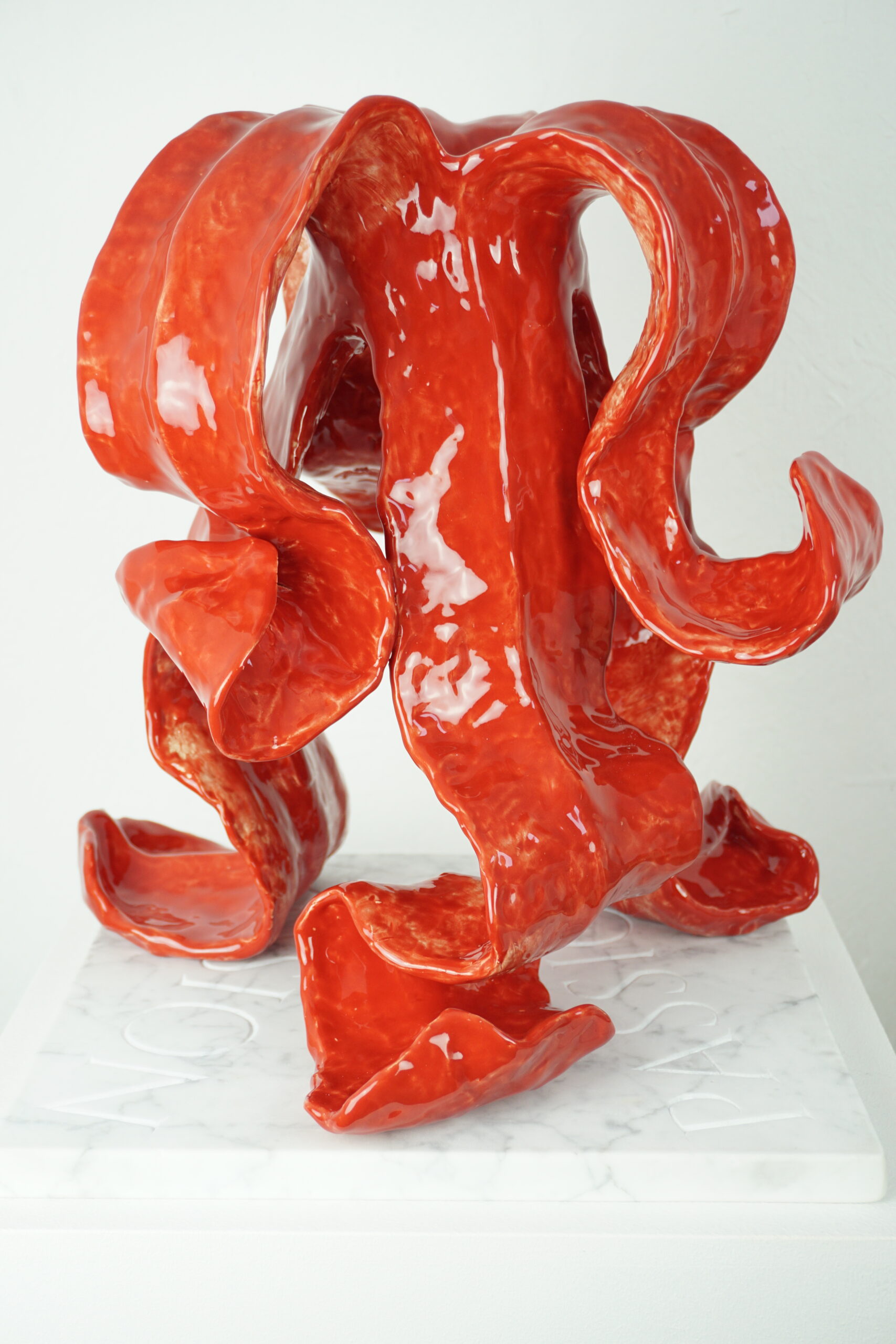
Passion, 40x40x40cm.
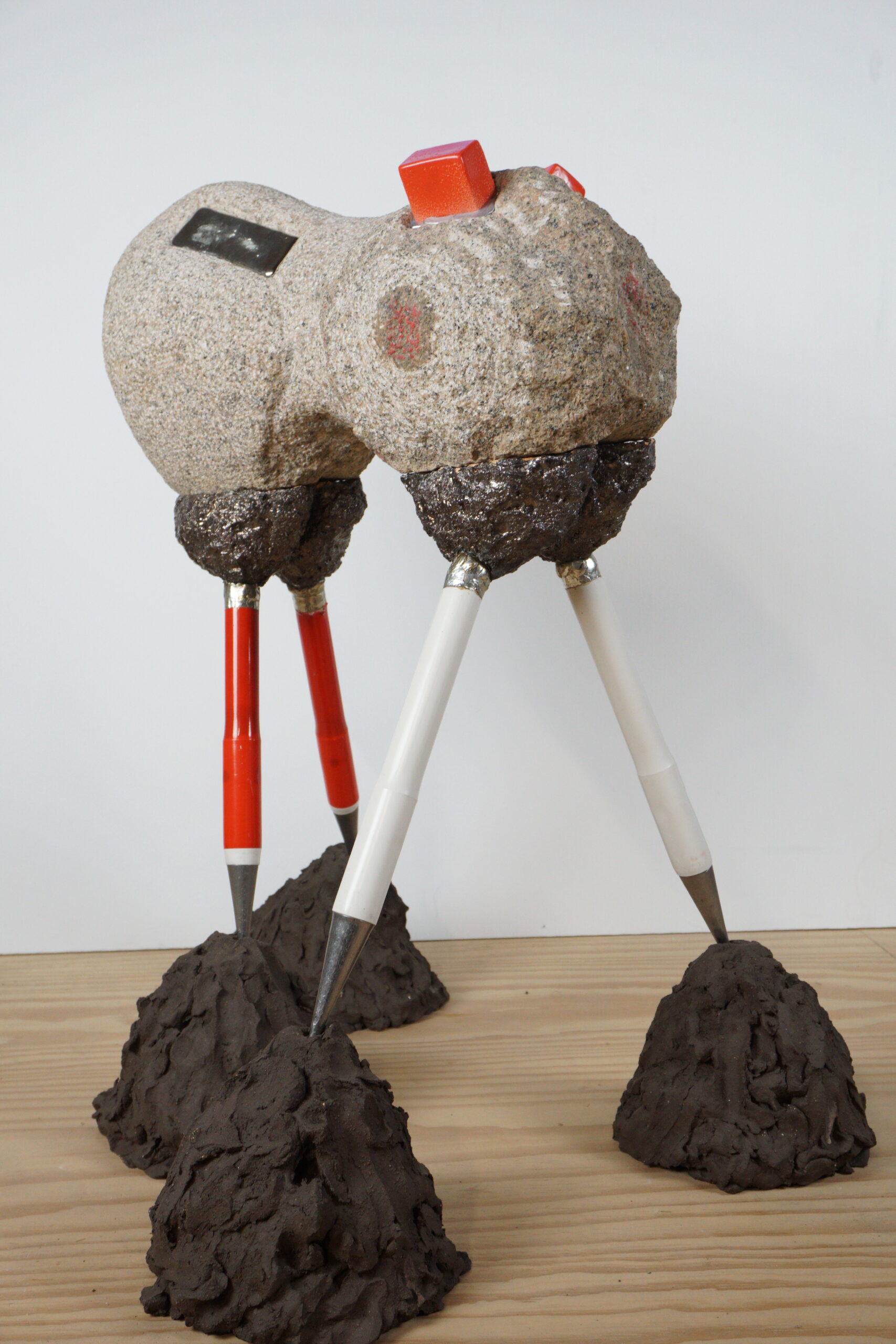
Beestje, 2024, 80x80x60.
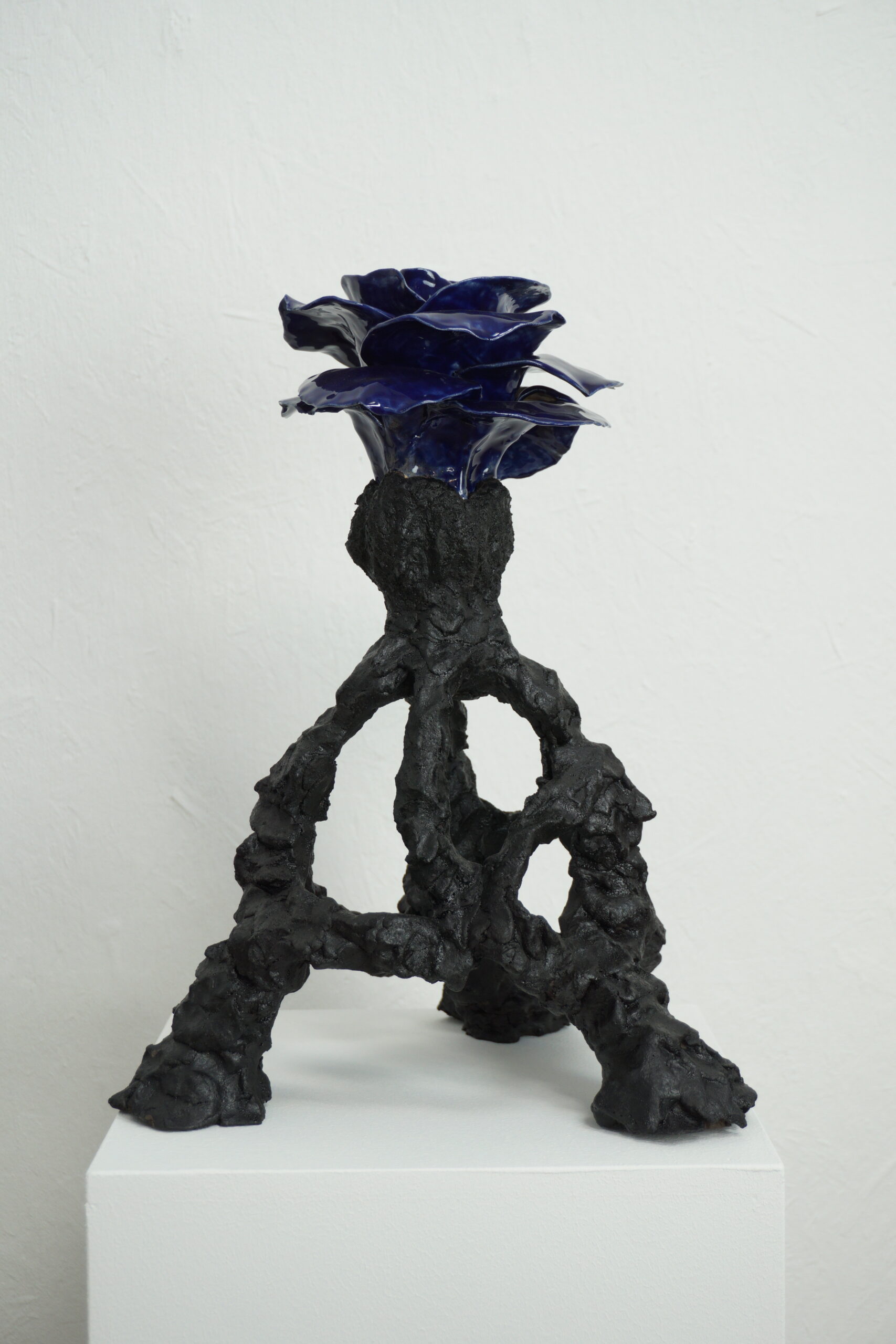
Toren, 2025, 30x30x40.
Stan Roukens – Humanoids
In these works, we encounter human figures and beings that feel both familiar and unfamiliar. They embody a layered presence: a fusion of dignity and vulnerability, triumph and modesty, longing and restraint. Roukens' sculptures resemble inhabitants of a parallel reality—hybrid forms that stretch the boundaries between body, object, and symbol.
De Parelman radiates a quiet, almost mythical allure, like a guardian of hidden value. Pandora poses the question of what is released when we dare to open the box of the human condition—hope, chaos, curiosity, and consequence embodied within a single figure. In the series La Condition Humaine, Victory and Modest reveal two sides of the same coin: the flower of triumph alongside the understated flower of humility. Both are rooted in materiality—ceramic on marble—yet appear light, almost ethereal.
Roukens works with traditional techniques—modelling, ceramics, and stone—but employs them to construct something distinctly contemporary and layered. His figures feel like archaeological discoveries from our own time: they evoke the tangible nature of existence, the fragility of identity, and the poetic tension that shapes our relationship with the world around us. They invite a slow gaze—one that is at once intimate and detached, ironic and sincere.
This opening exhibition in Holwert presents humanoids that are not merely copies of the human figure, but mirrors of our complex, contradictory, and endlessly reconstructed humanity.

Biography
Stan Roukens (1956) lives and works in Friesland, the Netherlands. He studied at the Maastricht Academy of Fine Arts before continuing his education at the postgraduate Jan van Eyck Academy. His work is driven by an enduring fascination with technique, material, and the ways in which people relate to their surroundings.
In his early installations, Roukens explored the aesthetics of industrial production. He reconstructed machines and technical systems, detaching them from their original function. This shift brought qualities such as rhythm, movement, energy, and time to the fore, revealing them as sculptural qualities in their own right.
Over the years, his focus gradually shifted from deconstruction to reconstruction. Whereas his earlier work dissected existing systems, his current practice centres on reassembling fragments and meanings. To do so, he employs a wide range of traditional craft techniques, including silversmithing, ceramics, modelling, and stone carving. These artisanal methods enable him to reshape traces of stories, memories, and knowledge into new forms.
Roukens approaches his practice as an investigation into what risks being lost in a rapidly changing world. His sculptures are not nostalgic references to the past, but contemporary constructions in which materiality, human experience, and craftsmanship are given renewed significance. Reconstruction functions as a method through which existing fragments generate new relationships and meanings.
Following his studies, Roukens participated in numerous group exhibitions and presented solo exhibitions at venues including De Fabriek, Museum Het Domein, and the Provincial Museum Hasselt. He received the Pierre de Touche Sculpture Prize and has been awarded support from the Mondriaan Fund on several occasions.
Between 2000 and 2020, Roukens worked as a product designer and lecturer in fine art, design, and technology. In his current work, his interests in craftsmanship, technology, and material culture converge in sculptures that connect past and present.